Sunday, November 9, 2014

Gulf Coast Jaguarundi


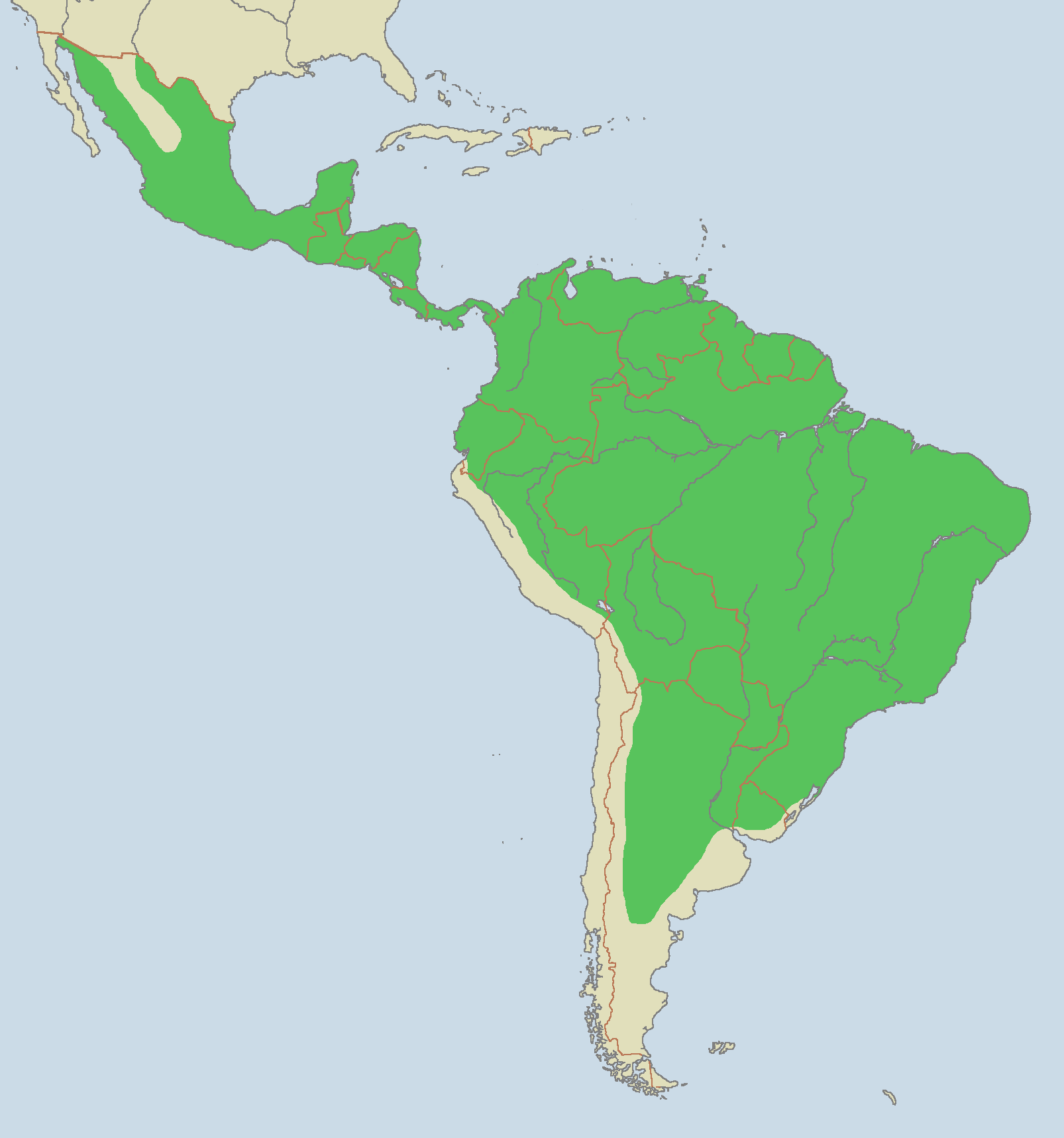
The Gulf Coast Jaguarundi is a medium-sized cat native to south Texas in USA and the states of Veracruz and San Luis Potosi in northern Mexico. They have, on average, a full body plus tail length of 137 cm. and weigh about 6 kg. Their habitat is the bush chaparral of the Chihuahua Desert, and they are comfortable in this setting.

The Jaguarundi's diet, like most cats, is a carnivorous one. It eats, chiefly, small mammals, birds, and when available, frogs and fish.

The Jaguarundi is endangered by US standards, and the IUCN (International Union for Conservation of Nature) states that the cat is an Endangered species by its standards.

Sightings of the Jaguarundi have been reported in Florida where it has been confirmed that a writer introduced the species to the state. These sightings have been reported since 1907. In Alabama, sightings have also been reported.

 Gulf Coast News Alabama Jaguarundi Sightings
Gulf Coast Jaguarundi
Florida Jaguarundi

Jaguarundi Range (Green)

Wednesday, September 3, 2014

Gray Wolves in California- Part 2


The lone wolf of California, OR-7 (a.k.a. Journey), recently stopped his wanderings and settled down in northern Klamath County, Oregon. Video Cameras set up in his vicinity revealed that a black-coated female wolf, its origin unknown, was in the area. OR-7 is in a small den in Rouge River-Siskyou National Forest. As hoped by millions of people, cameras have caught an biologists have confirmed that of June 2014, OR-7 is a father of at least 2 cubs. This is 35.6 miles, or 57.29 kilometers to the border of California (measured from Ft. Dick, CA).

But this success story comes with a twinge. The United States Department of Fish and Wildlife Services, or USDFWS, is invigorated with the birth of these two pups, and may take Gray Wolves of the Federal Endangered Species List, which would make it unprotected by Federal law. This will lead to action from the state governments of the west, who would declare it a game species (Butch Otter, Governor of Idaho, said he wants to be the first to shoot a wolf in his state when they are a game species). USDFWS will make a decision later in the year. For more click the link below.

OR-7: Biologists confirm Oregon Wolf has at least 2 pups

Also, claimed wolf sightings have been on the rise in the Sierra Nevada Mountains of California. These are by people who have seen coyotes and wolves (in places like Yellowstone Nat. Park, WY, where there are wolves confirmed). For more about this click the link below-

Wolf sighting in the Sierra Nevada?


Friday, August 16, 2013

Mountain Lion


The Mountain Lion is a rare, shy, and elusive.
If yo go from Eagle Rock Picnic Grounds, in Topanga State Park, cross a ravine, and turn forward-left, you will come to a glade. In this glade I have observed cougar scat. Go forward-right and up a hill, you will com to the Simi Planes. In this vast grassland, I have also seen cougar scat and, once, a cougar. You run 2 or 300 yards forward to a cement pathway. You follow this left and it takes you back to where you originated.

Cougars are one of the increasingly rarer mammals in Los Angeles County, and they have two last large refuges: Topanga State Park and Malibu- Simi Wildlife corridor.

Haven to the Topanga Mountain Lion!!!!!!! 

Tuesday, April 23, 2013

Bobcat

Cascades Bobcat in
North Bend, Washington

The Bobcat is a small, adaptable feline. Its' range is from Southern Canada to Southern Mexico. They are most common during summer frost in the southeast (from Texas and Oklahoma in the west to Florida, north to North Carolina, and through Tennessee to Oklahoma.) I have seen them in suburban Atlanta.

4 subspecies occur in California: The Valley, Desert, Mojave, and the Cascades Bobcats. The Valley Bobcat occurs the whole California west of the Sierra Nevada. The Desert and Mojave have the same basic range, but the Desert Bobcat extends into the south White Mountains and Sierra Nevada (mostly Inyo County).

Here are some articles about Bobcats in California:

Desert Bobcat Attack: Death Valley 

Friday, April 12, 2013

Swans in Southern California

There are two species of Swan in California:the Trumpeter and Tundra Swans. The one we are going to focus on is the Trumpeter Swans.

In the late 1900's, Trumpeters were gone from California. In 2004, a couple Trumpeters were sighted near Santa Barbara. On December 4, 2005, a Trumpeter was sighted near the city of San Fernando. Finally, a Trumpeter was spotted on Piute Ponds, Los Angeles Co. on January 19, 2012.

Links:

Trumpeter Swan: Santa Barabara


Saturday, February 16, 2013

Whitetail Deer

The rarest of mammals in California are the Whitetail deer. The rest of the New World, from Northern Canada to South Peru, is the domain of his animal.

The three subspecies are the Columbian, Coues, and Idaho Whitetail Deer. The Idaho Whitetail is the most widespread, ranging from Modoc County to El Dorado County, and a buck shot at Topaz Lake, Mono County, in the 1890's. The Coues was wiped out from the Colorado River Valley in 1984. The Columbian is the rarest of the lot, and doesn't live in California. You can still see Idaho Whitetail, though they are the last of the Whitetails in California.

Whitetail  

Friday, February 1, 2013

Asiatic Cheetah

The Asiatic Cheetah is a subspecies of Cheetah, and was driven to the brink of extinction. Today, only 75-100 Cheetahs live in the un-fragmented areas in western Pakistan and eastern Iran. In the 1940's, the Cheetah was driven out of India. Reintroduction projects are starting in southern Russia. The other locations are in the states of Rajasthan, Gujarat, Madhya Predesh, Chhatisgarh, Karnataka, and Kerala in India.

Here are some links about the Asiatic Cheetah:

Asiatic Cheetah

Sunday, January 6, 2013

Asiatic Lion


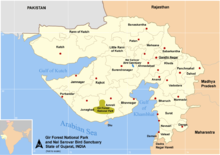
The Asiatic Lion is  locally common pest in the Gir Forest National Park, Gujarat State, India. The Lion differs from it's African counterpart by a bigger tuft of fur on the tail, and a smaller mane.

This subspecies of lion originally ranged from parts of Iran, Greece, and Bulgaria in the east, to India's border with Nepal in the west, south to the northern Deccan Peninsula, and north to Turkey. It was hunted to the brink of extinction, and in the 1940's, was protected by the king of a part of Gujarat. His private hunting grounds were the areas in and around present-day Gir Forest.

Since 1974, the Asiatic Lion population in Gir Forest has grown from 180 individuals to 411 individuals, which were 97 adult males, 162 adult females, 75 sub-adults, and 77 cubs.

Here are some links about the Asiatic Lion:

India's Lions:Wall Street Journal


Sunday, December 30, 2012

Polar Bear


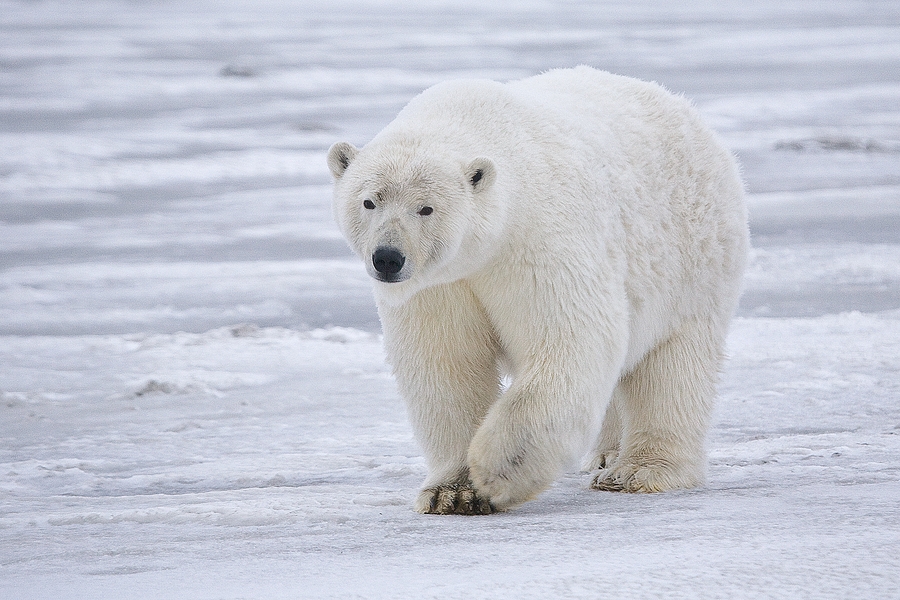
Polar Bears are magnificent creatures, and was, until recently, thought to live in Manitoba Province, Canada and northward. Soon some records started coming from the Provinces of Ontario, New Brunswick, and Newfoundland and Labrador.  Even more recently a report came Isle Royale National Park, in Lake Superior, a part of Michigan. This is the first sighting ever in the Continental United States!

Here are some links about Polar Bears in Canada:


Caribou

This is a Woodland Caribou


The Caribou (a.k.a Reindeer), is the third biggest species of deer after the Moose and Elk. It's last stronghold in the Continental United States in in the northernmost point where Idaho and Washington met British Columbia. Reintroduction proved imposible in Maine because the bear and wolf populations were to high. A small population lives in the Caribou National Forest., in Utah, Wyoming and Idaho. On December 24, 2012, Gene Fisher spotted a Caribou near La Salle, CO. Spooked by a passing train, it ran into the middle of the U.S 85 and was killed by an on-coming car. Wildlife officials who arrived at the scene shortly after the death of the Caribou said it likely escaped from a nearby sanctuary,but there was no sanctuary nearby!

Here are some links about Caribou:

Caribou:Colorado


Friday, December 28, 2012

Brown Bear


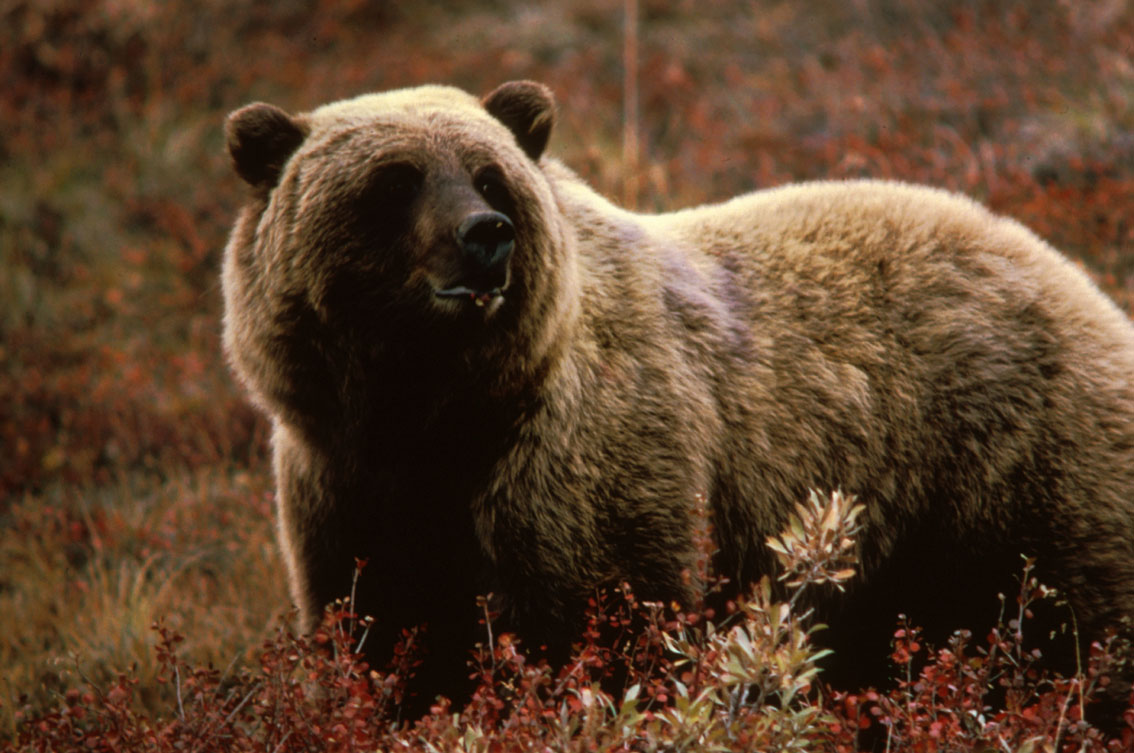
The Brown Bear is a species ranging from the Glaciers of Alaska to the Mountains of Colorado, from the cork oak of Portugal to the ice fields of the Himalayas.

The closest populations of Bears to California is are isolated populations in the Hell Canyon of Oregon, Washington's North Cascades National Park, and Colorado's San Juan Mountains. These are populations of Silvertip, or Grizzly Bear.

Here are some links about Grizzly Bear:

Grizzly Bear:Oregon

Grizzly Bear:Colorado

Grizzly Bear:Washington

Tuesday, December 25, 2012

Jaguar


The Jaguar is a very elusive animal. So elusive that we know very little about it. I have collected what I can find to make this blog post.

As I said before, Jaguars are elusive. Very little is known about it's range in California, even the United States! Jaguars are known to stray from the Baja boarder into San Diego and Imperial Counties. Some sightings of "Black Panthers" caught the public's eye as they read the San Fransisco Chronicle. This could be the following:

A Black Bobcat
A Black Mountain Lion
An escaped Black Jaguar
A black feral house cats

Jaguars are a protected species in the United States. Some breeding populations occur southeast of Tuscon, Arizona, and south of Santa Fe, New Mexico. Strays have been caught on camera and by the eye in Texas, New Mexico, Arizona, and California.

Here are some links about Jaguar:

Jaguar: Arizona


Friday, December 21, 2012

Canada Lynx


A few sightings maintain that Lynx live in California.

The Canadian Lynx is a rare species, and, by the United States Department of Fish and Game, is a Threatened species for the mainland. Big populations thrive in Yellowstone, Glacier, Grand Teton, Rocky Mountains, North Cascades, and Olympic National Parks. Smaller populations live in Zion and Arches National Parks, and Fremont National Forest in Oregon. The Oregon population has been recorded as far south as Lassen Volcanic National Park in Northeast California. The Canada Lynx originally range the Coast Range in California until Humbolt County. It ranged the Cascade-Sierra Nevada until Plumas County. In recent years, they have migrated all the way to West Virginia.

Here are some links about Canada Lynx:

Canada Lynx: Yellowstone


Kit Fox


The Kit Fox is a shy animal, yet quite docile.

This elusive animal occurs in two subspecies: The Desert and San Joaquin Kit Foxes.

The Desert Kit Fox lives in the Lower Colorado River Valley.

The San Joaquin Kit Fox lives in the Lower San Joaquin Valley ( Parts of Los Angles, Santa Barbara, Ventura, Kern, San Luis Obispo, and San Bernadino Counties).

Here are some links about Kit Fox:

Desert Kit Fox

San Joaquin Kit Fox


Thursday, December 20, 2012

Red Fox

A Sierra Nevada Red Fox
A Sacromento Valley Red Fox
European Red Fox


The Red Fox is an elusive animal. It is rare in California.

The Red Fox occurs in one subspecies in California:The Sierra Nevada Red Fox.
It lives from places in Lassen County and down to Tulare County. Introduced populations live in scattered locations from Lake to Orange Counties. These introduced populations may seem bigger;
 this is because this is the larger European subspecies. Genetic studies conducted by UC Davis proved that a long-thought-to-be-introduced population to be it's own subspecies.

Here are some links about Red Fox:

Red Fox: Yosemite National Park


Tuesday, December 18, 2012

Moose

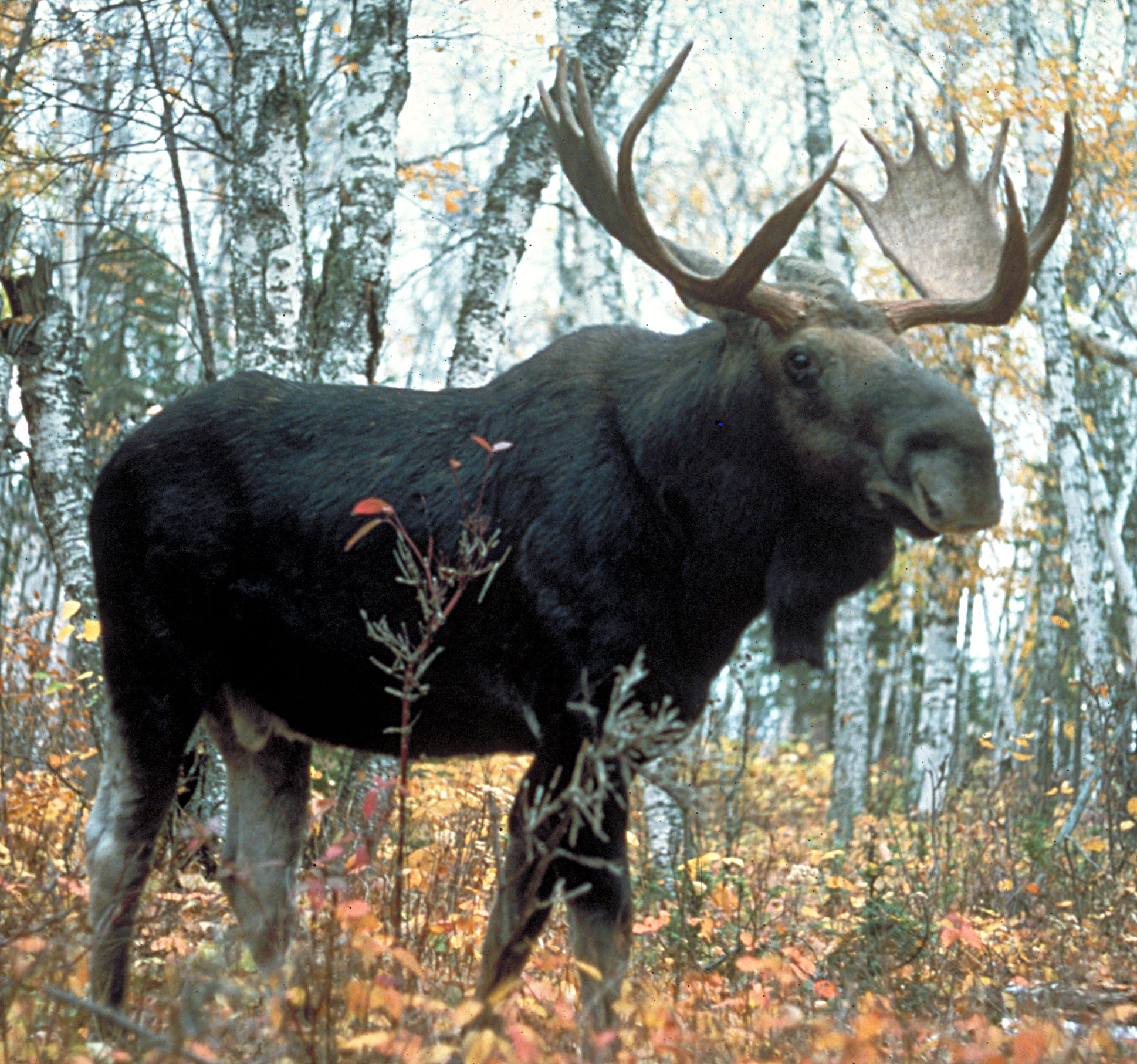
This is a bull Western Moose at Lake Superior


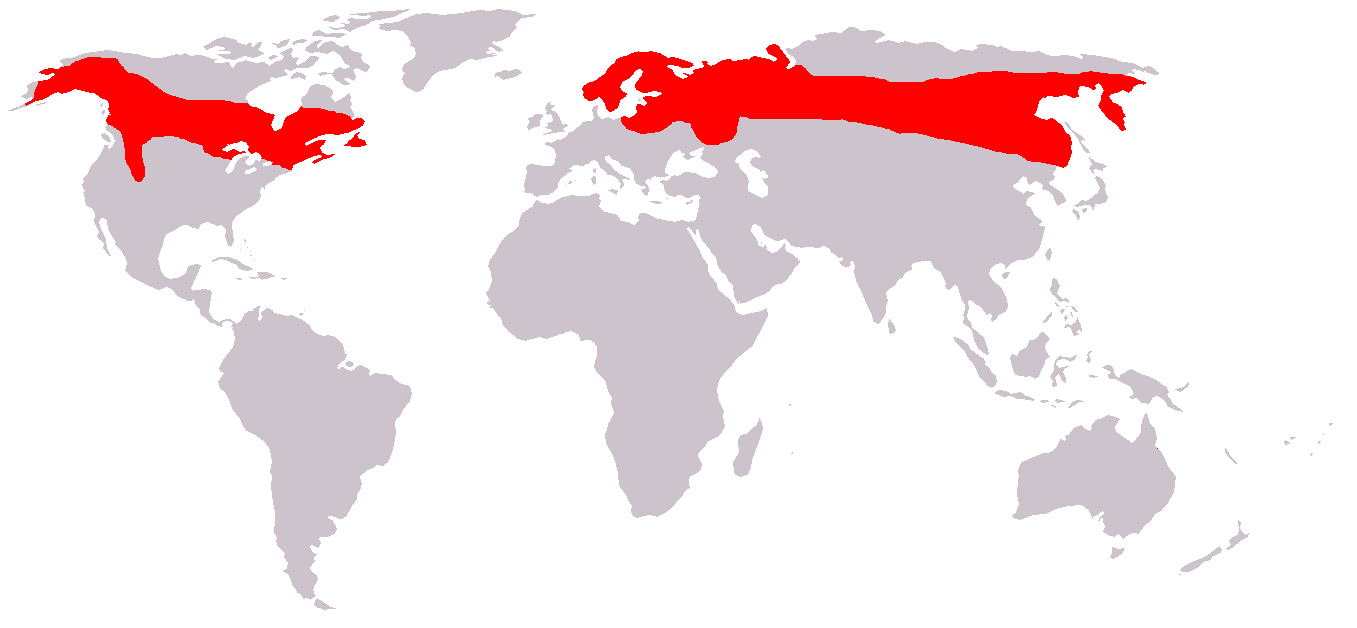
Moose are an extremely rare species or may not even be present in California. Only a few records support that it is present.

One, maybe two, subspecies occur in California: the Shiras Moose and maybe, the Sierra Moose.

The Shiras Moose lives in Northwest corner of California until mid-Humbolt County.

The Sierra Moose, if the is such a thing, ranges the length of the Sierra Nevada, but it is probably a population of Shiras Moose.

Here are some links about Moose:

Alaska Moose

Shiras Moose


American Beaver


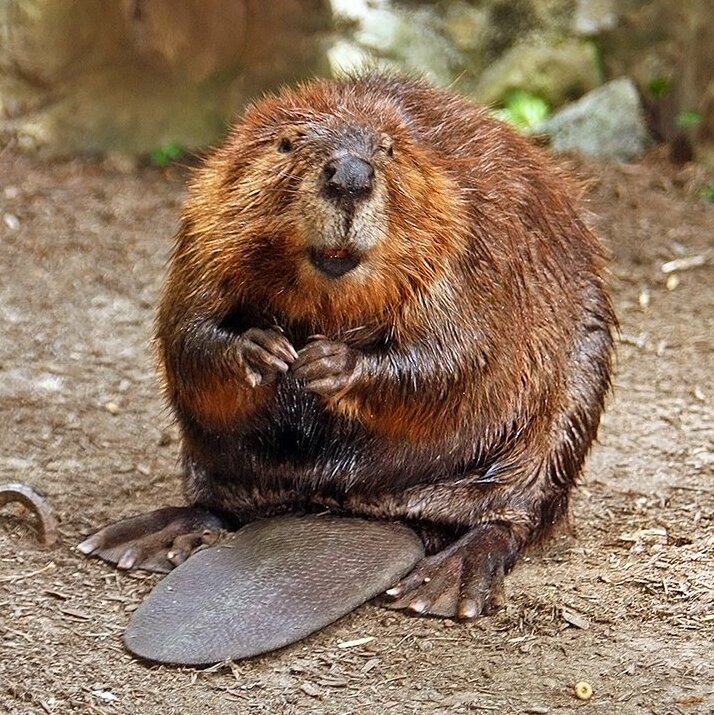
The beaver is a short, stout, rodent. It has some amazing skills in architecture, making the first engineer.

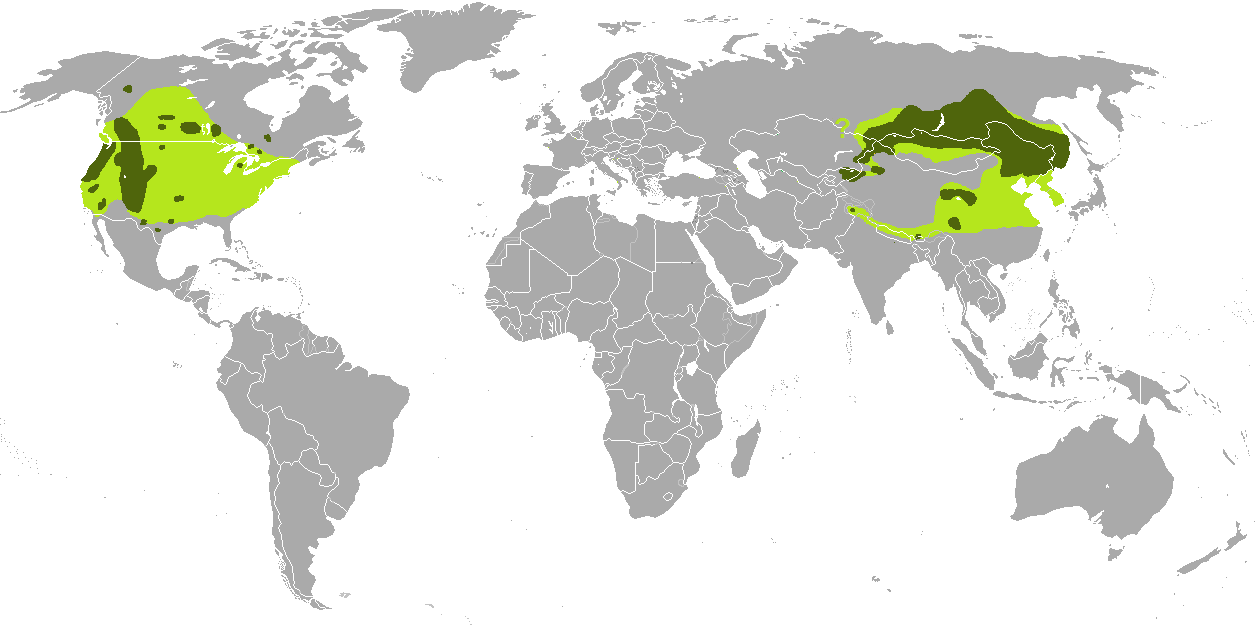
The beaver occurs in one subspecies in California: the Golden Beaver.
The Golden Beaver ranges from Del Norte County in the north to Imperial  County in the south. The majority of beaver live in Fresno County and north, but populations are present in Kern, Los Angeles, San Bernidino, Riverside, and Imperial Counties.

Here are some links about beaver:

Beaver

Beaver


Sunday, December 16, 2012

Elk

This is a bull Rocky Mountain Elk


The Elk is a famous and mysterious animal. The elk is a creature of the winter and snow. The elk is a symbol of the American Frontier.

The elk occurs in three subspecies across California: the Tule, Olympic, and Rocky
Mountain Elk.

The Tule Elk is an endemic subspecies to California. Ranges from introduced populations in Inyo,
Mendocino, Lake, Marin, Alameda, Contra Coasta, San Luis Obispo, and Kern Counties.

The Olympic Elk ranges on the west coast until about central Sonoma County.

The Rocky Mountains Elk ranges in the grasslands of Modoc and Lassen Counties.

Here are some links about Elk:

Rocky Mountain Elk

Tule Elk

Olympic Elk


Saturday, December 15, 2012

Coyote


The coyote is a dangerous animal, and it has been responsible for a few fatalities in the islands of
 eastern Canada (Nova Scotia).

There are three subspecies in California:the San Pedro Martir, Mountain, and the California Valley Coyote.

The San Pedro Martir Coyote lives mainly in San Diego County, but is occasionally seen in Imperial County.

The California Valley Coyote ranges from the foothills of the Sierra Nevada Mountains to the foothills of the Coast Mountains, the Siskyou Mountains in the north, and the San Jacinto Mountains in the south.

The Mountain Coyote is rare on the California-Nevada boarder.

Here are some links about coyotes: 

Coyote